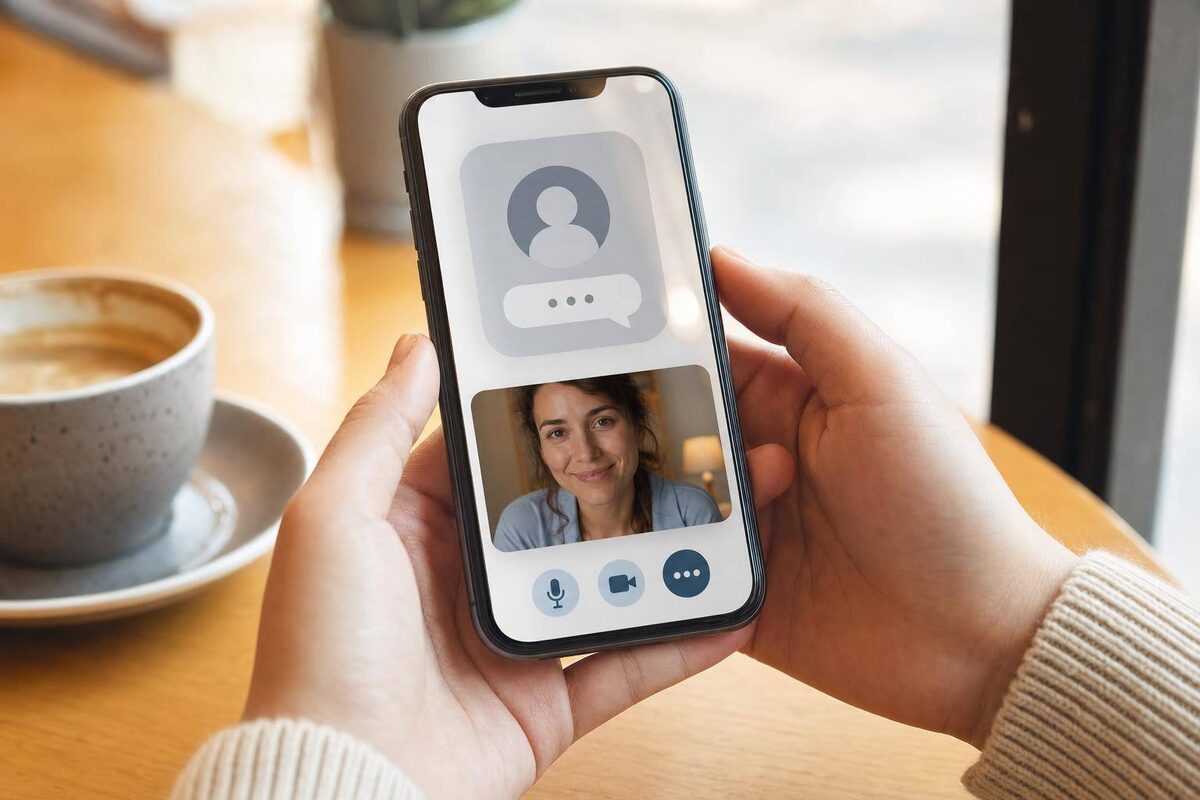
Anonymity vs. Authenticity: What Users Prefer
People want frictionless anonymous entry, then live human cues to make chats feel real.
Most people want the same two things in random video chat: privacy first, then a chat that feels like a live person is on the other side.
Here’s the short answer: users usually pick anonymity at the start because it removes friction, cuts pressure, and lets them join in seconds. But they still want clear human signals once the chat begins, like live reactions, steady back-and-forth, and face-to-face presence.
What this means for you:
- Anonymity helps people start fast
- Live human cues help people stay
- No signup lowers friction
- One-to-one video makes chats feel more personal
- Moderation helps weed out bad matches
- User needs change by topic, mood, and risk level
A few numbers stand out:
- 68% of Gen Z users prefer platforms not tied to lasting profiles or follower counts
- 73% of users say no likes, shares, or follower metrics is a main reason they choose random video chat
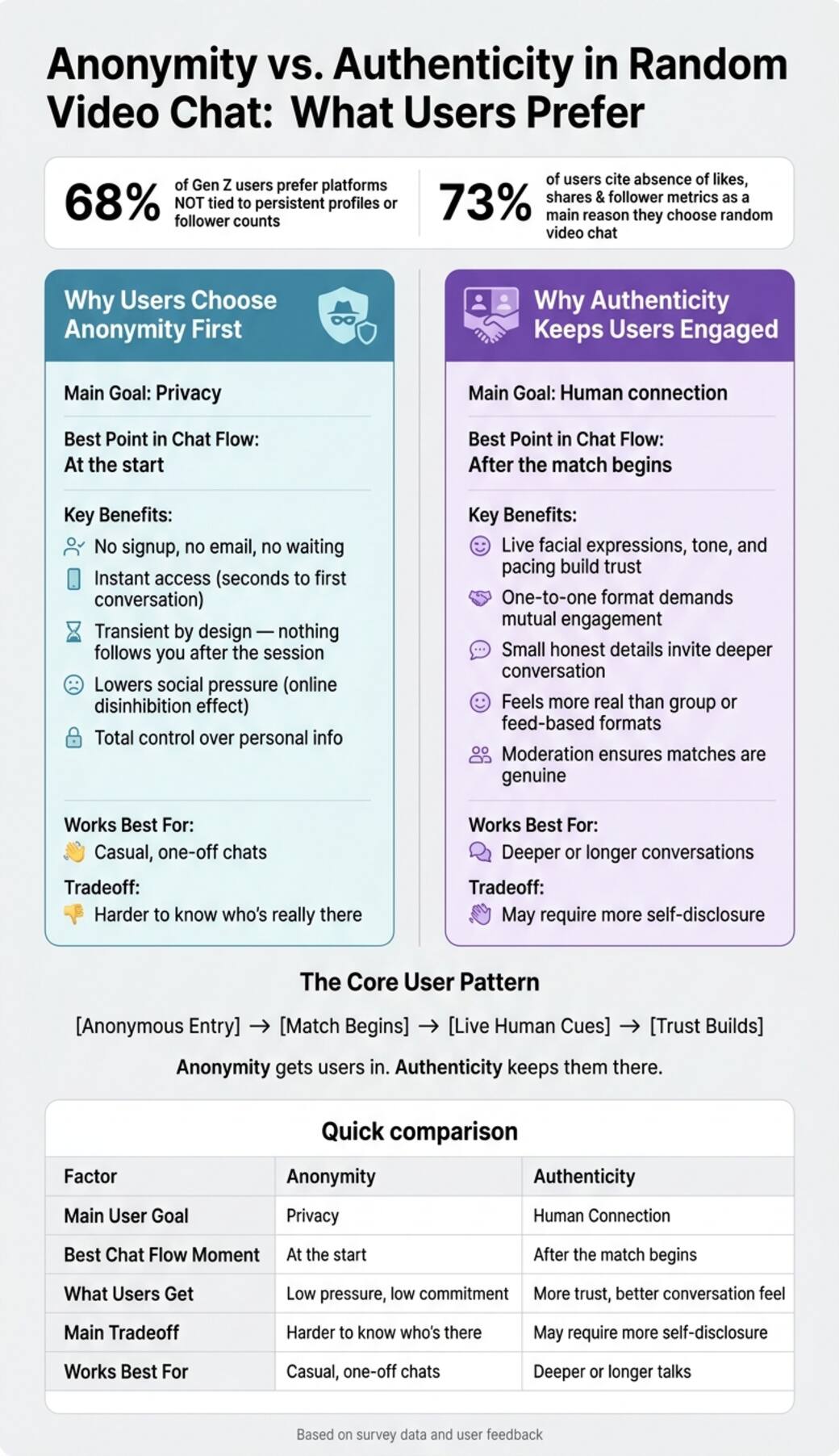
Quick Comparison
| Factor | Anonymity | Authenticity |
|---|---|---|
| Main user goal | Privacy | Human connection |
| Best point in the chat flow | At the start | After the match begins |
| What users get | Low pressure, low commitment | More trust, better conversation feel |
| Main tradeoff | Harder to know who’s there | May require more self-disclosure |
| Works best for | Casual, one-off chats | Deeper or longer talks |
Put simply: people want a low-pressure way in, then they want the chat to feel human. That’s the core pattern across survey data and user feedback.
Why users choose anonymity first
Users want to talk right away, not fill out a form first. That pull is pretty simple: anonymity removes the extra steps between opening a platform and starting a conversation. That’s why a lot of people begin with anonymity, then decide later whether they want to share more about who they are.
Privacy, speed, and low commitment
No signup, no email, no waiting. On platforms like Glimmr, you can start talking to someone within seconds.
Commitment matters too. Anonymous chat is transient by design. When the conversation ends, it ends completely. There’s no contact info to swap and no long-term digital tie to keep up with. Users give up the chance to reconnect in exchange for a self-contained experience where nothing said follows them beyond the session. For many adults, that isn’t a drawback - it’s the whole point.
When anonymity makes people more open
Adults often use anonymous chat to talk about things they’d avoid with coworkers or friends, like professional burnout, personal doubts, and social anxieties. Because the other person has no link to their offline life, honesty can feel less risky.
This is sometimes called the online disinhibition effect: when identity is removed, social pressure drops and self-expression goes up. There’s no audience to perform for, no reputation to guard, and no long-term outcome to weigh. That kind of openness matters, but it comes from less identity, not deeper connection. At the same time, the same lack of identity that lowers pressure can also make trust harder.
Anonymous video chat vs. account-based video chat
The contrast gets clear when you put both models next to each other.
| Model | Data Required to Start | Time to First Conversation | Privacy Signal | Control Over Personal Info |
|---|---|---|---|---|
| Anonymous (e.g., Glimmr) | None | Instant (seconds) | High - no account or tracked profile | Total - user chooses what to share |
| Account-Based (e.g., Monkey) | Name, date of birth, phone, social link | Several minutes (sign-up + verification) | Low - data collected and tracked | Limited - platform stores and uses data |
For casual, spontaneous conversations, anonymous entry wins on almost every practical measure. A signup step turns a quick try into a commitment. Anonymity gets people in the room; authenticity determines whether they stay engaged.
Why authenticity still matters
Anonymity gets people through the door. Authenticity keeps the conversation believable.
Most users want more than a face on a screen. They want someone who feels present, attentive, and responsive. Live video helps build trust because key nonverbal cues, like facial expression, tone, and pacing, show up in real time. Those signals often make the difference between someone who feels genuine and someone who seems rehearsed. That’s why trust often starts to grow before users share anything personal.
A one-to-one call makes this even stronger. Unlike group settings, it only works when both people stay engaged, so the exchange feels more direct than a group chat or feed-based format. Small, honest details early in a session often invite the other person to open up too, moving the conversation past small talk and into something that feels real.
How much identity users want usually depends on how much continuity they expect. For casual chats, minimal identity is often enough. But for repeat contact or shared goals, people want more. Language practice and niche communities tend to work better with matched profiles than with pure randomness. Once the goal moves from a one-off conversation to an ongoing connection, anonymity alone usually isn’t enough.
How users balance anonymity and authenticity in practice
That trade-off shows up clearly in how people use video chat.
Common preference patterns from surveys and user feedback
Most users want privacy at the start and trust once the match begins.
Some people want to stay private first. Others care more about signals that the other person is real. And a lot of users move back and forth depending on the topic, their mood, and how much risk they feel in the moment. That can change fast.
When the topic feels sensitive, people often want anonymity up front. At the same time, they still want the other person to feel present and engaged. In many cases, users ease into that. They may begin with text or voice, then switch to video after some trust has formed.
Anonymity vs. authenticity: pros and cons
Anonymity lowers friction and helps protect privacy. It gives people room to enter a conversation without giving too much away too soon.
Authenticity can deepen trust and make the exchange feel more human. But it also asks for more self-disclosure, which not everyone wants right away.
How Glimmr and similar platforms handle the balance
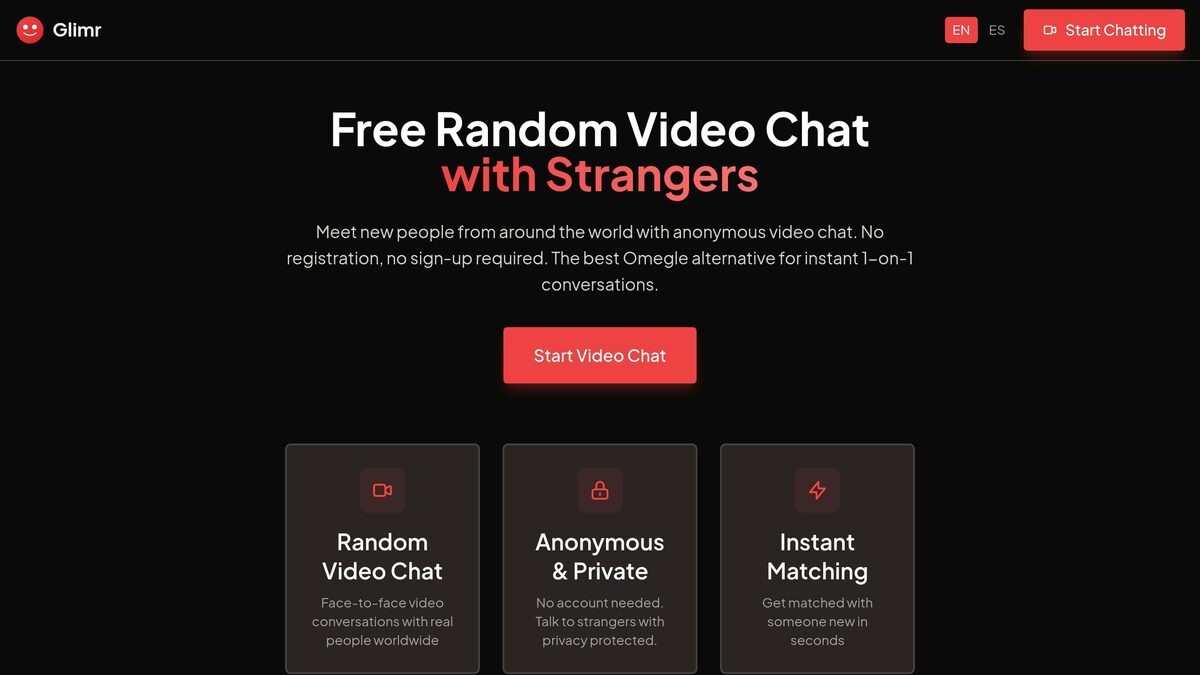
This is where platforms tend to split apart: how much privacy do they keep once the match starts?
Glimmr leans into an anonymity-first setup. It also includes reporting and moderation tools that help make sessions safer and conversations more genuine. On well-moderated platforms, real and engaged matches are far more common than on poorly moderated ones. That gap matters because a conversation only feels real when the person on the other side is there to connect, not just pass time or cause trouble.
The strongest platforms make it simple to start private, then stay present once the conversation is underway.
Conclusion: What users prefer most
The pattern shows up again and again in surveys and user feedback: people want privacy at the start, then they want a chat that feels human once it begins. An anonymous entry lowers friction. Live cues make the interaction feel real.
68% of Gen Z users prefer platforms where interactions aren't tied to persistent profiles or follower counts, and 73% of users cite the absence of likes, shares, and follower metrics as a main reason users choose random video chat. That helps explain why anonymous entry matters so much.
People stick around when a chat feels safe and real.
That’s the balance users are after: safe enough to start, human enough to keep the conversation going. Glimmr matches that pattern with instant, no-account chat and moderation tools.
Anonymity gets users in; authenticity keeps them there.
FAQs
Why do users prefer anonymity first?
People lean toward anonymity because it takes away the pressure to perform or keep up a polished identity, which is a big part of old-school social media. When there are no profiles, no sign-ups, and no lasting record, it feels easier to speak plainly and act on impulse.
That shift makes conversations feel lower-stakes and more open. Glimmr leans into that with instant, browser-based access that doesn't ask for personal data.
What makes a video chat feel authentic?
A video chat feels more natural when it takes away the pressure to perform or polish a public image. In a one-on-one conversation, the usual group stuff tends to fall away. That gives people more room to speak openly and say what they mean.
That feeling gets stronger in real time, especially when the stakes feel lower and the chat doesn’t carry as much long-term weight. Platforms like Glimmr lean into that with a simple, anonymous, and spontaneous setup.
Can anonymous video chat still feel safe?
Yes. Anonymous video chat can still feel safe when platforms put privacy and moderation first.
Services like Glimmr help make that possible. It doesn't ask users to create an account, it collects no account or profile data, it enforces an 18+ age limit, and it gives users reporting tools backed by active moderation.
Safety also depends on user behavior. The simplest rule is to avoid sharing sensitive personal information.